insights
What QVC's TikTok and TV flywheel means for brands
QVC runs separate TikTok and TV live-selling operations before the holidays. What a 10 to 200 person brand in Southeast Asia should copy, and what to skip.
Short answer
QVC is heading into its 40th holiday season by running TikTok live selling and TV as two separate operations: different hosts, different studios, different pacing, with exclusive product launches and celebrity guests layered on top, as Modern Retail reports. The lesson for a smaller brand is not the scale. It is that live selling on TikTok is a different format from live selling on an owned channel, and treating them as one production is where most brands lose money.
What happened
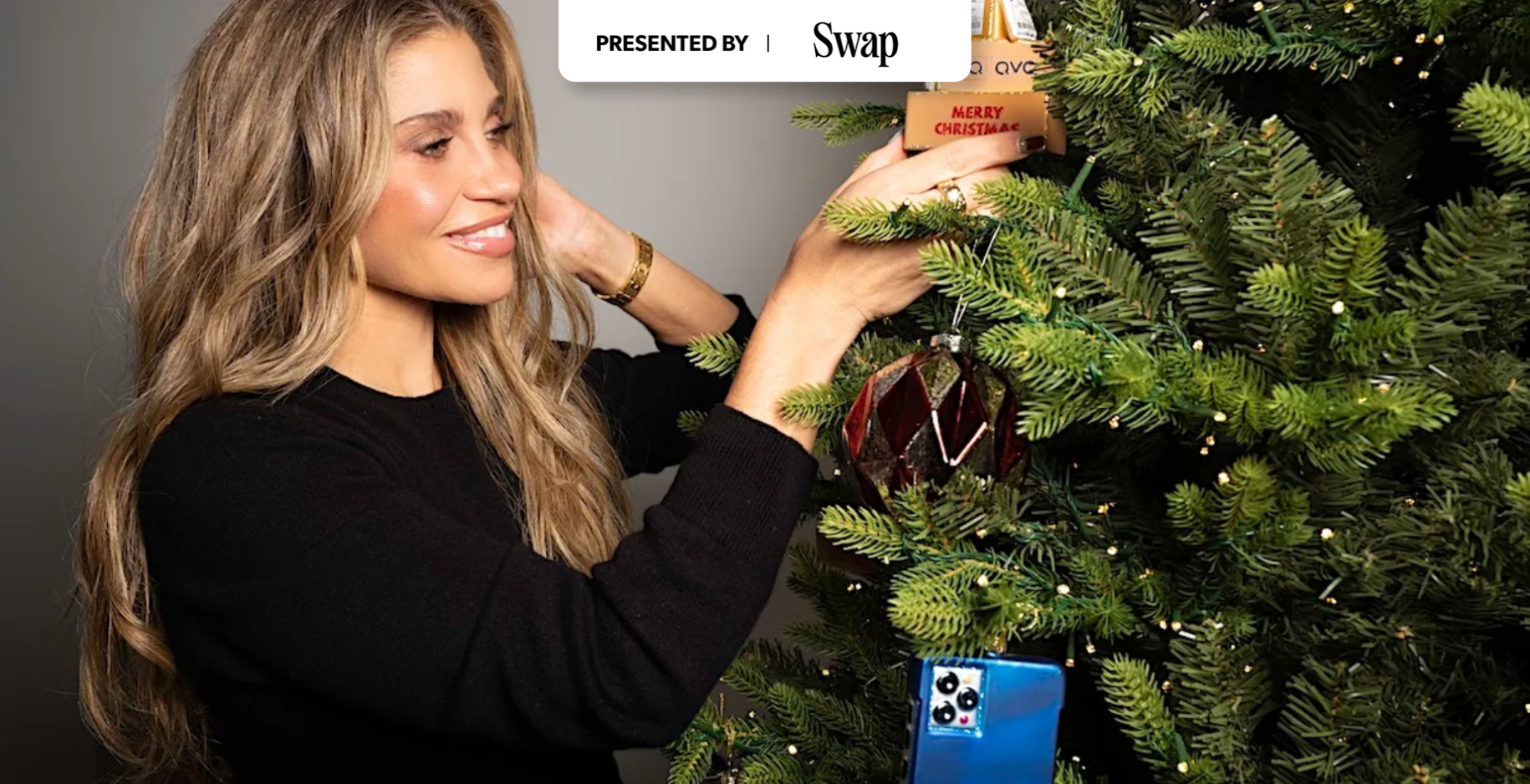
QVC is stacking its holiday plan across TV, TikTok, its site, its app and streaming. The season includes gifts from Le Creuset, KitchenAid, Laura Mercier and Nespresso, QVC-exclusive launches from Off/Duty by Coco Rocha and RM Studio by Rebecca Minkoff, and a "Nonstop Holiday Party" event from 6 to 8 November with early Black Friday sales and guests including Martha Stewart, John Legend and Teri Hatcher. Danielle Fishel fronts a Mrs. Claus campaign. On the operations side, QVC started streaming 24/7 on TikTok in April 2025 and now runs about 200 hours a week of TikTok live against roughly 60,000 hours a year of live TV, with ten studios built for TikTok and phone-based filming. Its SVP of social commerce, Krystyna Taheri, told Modern Retail the TikTok format runs on 20 to 30 second hooks and sells versus seven to eight minute TV segments, and that hosts are coached on click-through and click-to-order rates rather than revenue alone. QVC and HSN acquired nearly 1 million new US customers on TikTok Shop in 2025. The context is a business rebuilding: QVC Group declared Chapter 11 in April, emerged in August having cut more than $5 billion of debt, and posted net revenue of $1.765 billion for the three months to 30 June, down from $1.984 billion a year earlier.
Why it matters for a consumer brand selling on social in Southeast Asia
The useful part of this story is the admission that the two channels are not the same product. A brand that films one long stream and pushes it to TikTok, Shopee Live, Lazada Live and its own Facebook page is optimising for its production schedule, not for the buyer. QVC's split is a discipline most brands of 10 to 200 people have not made: the platform dictates the format, the host roster and the metric the host watches mid-stream.
Three things transfer directly.
Format follows the platform. Twenty to thirty seconds to hook and sell on TikTok is a different craft from a long demonstration segment. If your host is trained on one, they will underperform on the other. QVC keeps separate hosts and separate sets for a reason.
Hosts watch leading indicators, not revenue. Revenue is the output. Click-through rate and click-to-order rate are what a host can change in the next ten minutes. Training hosts to read those numbers live, then reviewing tape weekly, is a process a small team can run without new software.
New customers are the point. QVC counts net new customers acquired on TikTok, not views. That is the same test we apply to any social commerce programme: did this session bring in someone who had never bought from us, and did they buy again.
Where we would push back on copying QVC wholesale: their flywheel is powered by celebrity talent, exclusive product and a 24/7 stream. None of that is available to a brand doing four sessions a week. What is available is the operating discipline underneath it.
What to do about it
- Split your live formats. One playbook for TikTok Shop, Shopee Live and Lazada Live (fast hooks, single product focus, repeated demos). A different one for your owned channels and Facebook, where a longer segment can breathe.
- Give each format its own host brief. Not necessarily different people, but different scripts, timings and demo order. Write the 20-second hook for every SKU before the session.
- Put click-through and click-to-order in front of the host during the stream. A second screen with those two numbers changes behaviour faster than a post-session report.
- Run a weekly tape review. Ten minutes on one strong segment and one weak segment, with the host in the room. This is the cheapest improvement available to a small team.
- Count new customers, not views. Track first-time buyers and repeat rate by channel and by host. If your dashboard cannot split that, fix the dashboard before adding sessions.
- Test one exclusive or bundle per platform. QVC leans on exclusives to give people a reason to buy on that channel. A bundle that only exists on TikTok Shop does the same job at your scale.
If you are setting up the measurement layer behind this, our notes on TikTok Shop returns as a sales lever and the TikTok Shop holiday playbook cover the mechanics. For scoping a live programme around your own catalogue, book a call with Fifth Room.
Where it does not apply, or what to be careful of
QVC is a 40-year-old live commerce business with a television audience, a robotics camera team and a bankruptcy restructuring behind it. Almost none of its cost structure is relevant to a brand of 50 people. Copying the ten studios before you have proven that a host can sell on a phone is the classic way to burn a quarter's budget on set dressing.
Two more cautions.
A creator programme at QVC's scale (hundreds of thousands of creators) is an affiliate operation with its own management overhead. If you cannot service creators with samples, briefs and payout queries inside a week, a large roster produces noise, not sales. Start with a small group you can actually manage.
And the platform changes. QVC's own social commerce lead says the TikTok algorithm tries to be consistent and sometimes is not. Build your process so it survives an algorithm shift: own the customer data, keep the host relationships, and do not let a single platform own your entire live calendar.
If live selling does not fit your category, say so early. High-consideration purchases with long research cycles, or products that need to be touched and tested, convert poorly on a fast live format. A creator-led demo and a paid social campaign may do the job without a stream at all.
Takeaway
QVC's holiday plan is a reminder that live selling is not one format. The brands that get results run TikTok and owned channels as separate operations with separate hosts, separate pacing and separate metrics, then connect them through one view of the customer. You do not need ten studios. You need a host who can sell in 20 seconds, two numbers on a screen, and a weekly review that makes the next session better. See how we run this for brands on our projects page, or start with a conversation about your catalogue and goals at Fifth Room.
frequently asked questions
01
Should a small brand run the same live format on TikTok and on its own channels?
No. QVC uses different hosts, different sets and a different pace on each channel. TikTok rewards 20 to 30 second hooks; a longer owned-channel stream can carry a seven to eight minute segment. Keep the selling principles, change the format.
02
Do we need a dedicated studio to start live selling?
QVC built ten TikTok studios because it streams about 200 hours a week. A brand doing a few sessions a week needs a fixed, well-lit corner, a phone, stable internet and a host who can sell. Add sets when the format proves it converts.
03
Which metrics should our hosts watch during a live?
Click-through rate and click-to-order rate first, revenue as the output. QVC trains hosts on engagement metrics rather than the sales counter, because those metrics move first.
04
Does a big live-selling operation like QVC's translate to Southeast Asia?
The structure does, the scale does not. TikTok Shop, Shopee Live and Lazada Live reward the same fast pacing and product demonstration. A brand here should start with one platform, one host roster and a weekly review before adding channels.
05
How do we connect live selling to the rest of our operations?
Tie every session to one dashboard that shows sales, ROAS and new customers by channel and host. If the numbers are re-keyed from a spreadsheet after each stream, you cannot tell which format earned the sale.
Want this working for your brand?
book a call